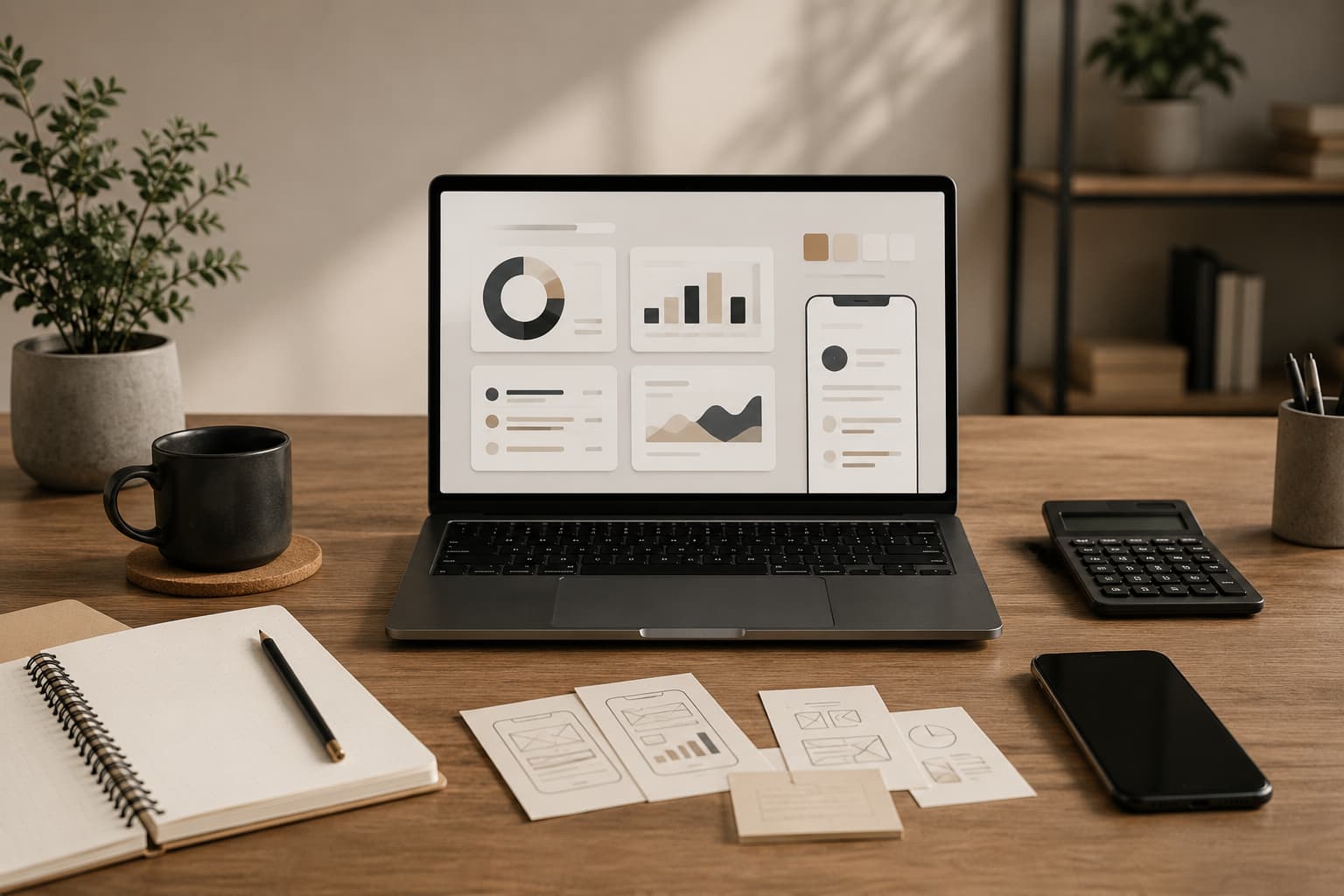
Budget app builder tools can make money management feel less confusing when you know what you want your app to do. Many people start with a generic spreadsheet or downloaded app, then realize it does not match their spending habits, income rhythm, or savings goals. Building your own budget app gives you more control over categories, reminders, tracking screens, and weekly reviews. You do not need to be a professional developer to understand the structure. You need a clear plan, simple features, and a practical money system behind the design. That is where beginner-friendly guidance makes the process easier.
Budget App Builder planning matters because an app is only useful when it reflects real financial behavior. A beautiful dashboard will not help if the categories are confusing or the tracking steps feel too difficult to repeat. A strong budget app planning guide starts with the user’s everyday money choices. What income comes in? What bills repeat? What spending changes weekly? What goals need attention? Build Your Budget Boss: A Beginner’s Guide to Creating Your Own Budget App (Without Losing Yours) | How to Make a Budget App PDF Guide for Beginners, Digital Download helps beginners think through these questions before they start designing screens.
A budget app builder should not begin with too many features. Start with the essentials: income entry, expense categories, savings goals, monthly summaries, and simple alerts. These features create the foundation for a useful digital budgeting system. Once the foundation works, you can add more advanced options like recurring payments, spending insights, debt tracking, or custom dashboards. The biggest mistake is trying to build everything at once. A smaller app that people actually use is stronger than a complicated tool that gets abandoned after a week.
Think of the first version as a working prototype. It should answer basic questions quickly: how much money came in, where it went, what bills are coming, and whether savings are on track. If the app can answer those questions clearly, it already creates value. Extra features should support the same goal, not distract from it.
Categories are the heart of any money app. If they are too broad, the user cannot see patterns. If they are too detailed, tracking becomes exhausting. A practical expense tracking tool should group spending in a way that feels useful and realistic. Start with essentials like housing, groceries, transport, subscriptions, debt, savings, personal spending, and fun money. Then adjust based on actual behavior. Someone who overspends on dining out may need a separate restaurant category. Someone with many small subscriptions may need more detail there. The categories should reveal habits without creating unnecessary work.
Budget App Builder design should focus on speed and clarity. If adding an expense takes too long, users will avoid it. If the dashboard is cluttered, users may miss the most important information. Use clean screens, simple labels, and obvious buttons. A helpful money dashboard template should show current balance, remaining monthly budget, top spending categories, and progress toward savings goals. Avoid hiding key information behind too many menus. People check budget apps during busy moments, so the design should respect their attention.
A budgeting app becomes more motivating when it connects numbers to goals. Savings for an emergency fund, debt payoff, rent, travel, or business tools can all become visible progress bars. A strong savings goal tracker helps users see progress before the goal is complete. That matters because money goals often take time. If the only feedback is “not there yet,” motivation drops. Show smaller wins, such as percentage saved, amount left, or weeks remaining. Build Your Budget Boss: A Beginner’s Guide to Creating Your Own Budget App (Without Losing Yours) | How to Make a Budget App PDF Guide for Beginners, Digital Download helps connect app structure with practical personal finance goals.
Budget App Builder mistakes usually come from adding complexity too early. Too many charts, too many categories, and too many notifications can make the app feel overwhelming. Another common mistake is designing for an ideal user instead of real habits. A person who forgets to track daily may need weekly prompts. Someone with irregular income may need flexible monthly planning. A useful beginner finance app should reduce stress, not create another chore. Test the app with normal spending scenarios before adding advanced features. If the basics feel smooth, the app can grow from there.
The best budget apps improve with feedback. After using the app for a few weeks, review what feels helpful and what feels annoying. Are the categories clear? Are reminders useful? Does the summary show enough detail? Does the app make decisions easier? This review turns the app into a living financial habit builder. For a tracking-focused approach, read the personal money tracking article. For a more customized app structure, continue with the custom finance app article. Build Your Budget Boss: A Beginner’s Guide to Creating Your Own Budget App (Without Losing Yours) | How to Make a Budget App PDF Guide for Beginners, Digital Download gives beginners a clearer path from idea to usable budgeting tool.




Leave a comment
You must be logged in to post a comment.